City and Shadow: Tony Lopez and the Memory of Light
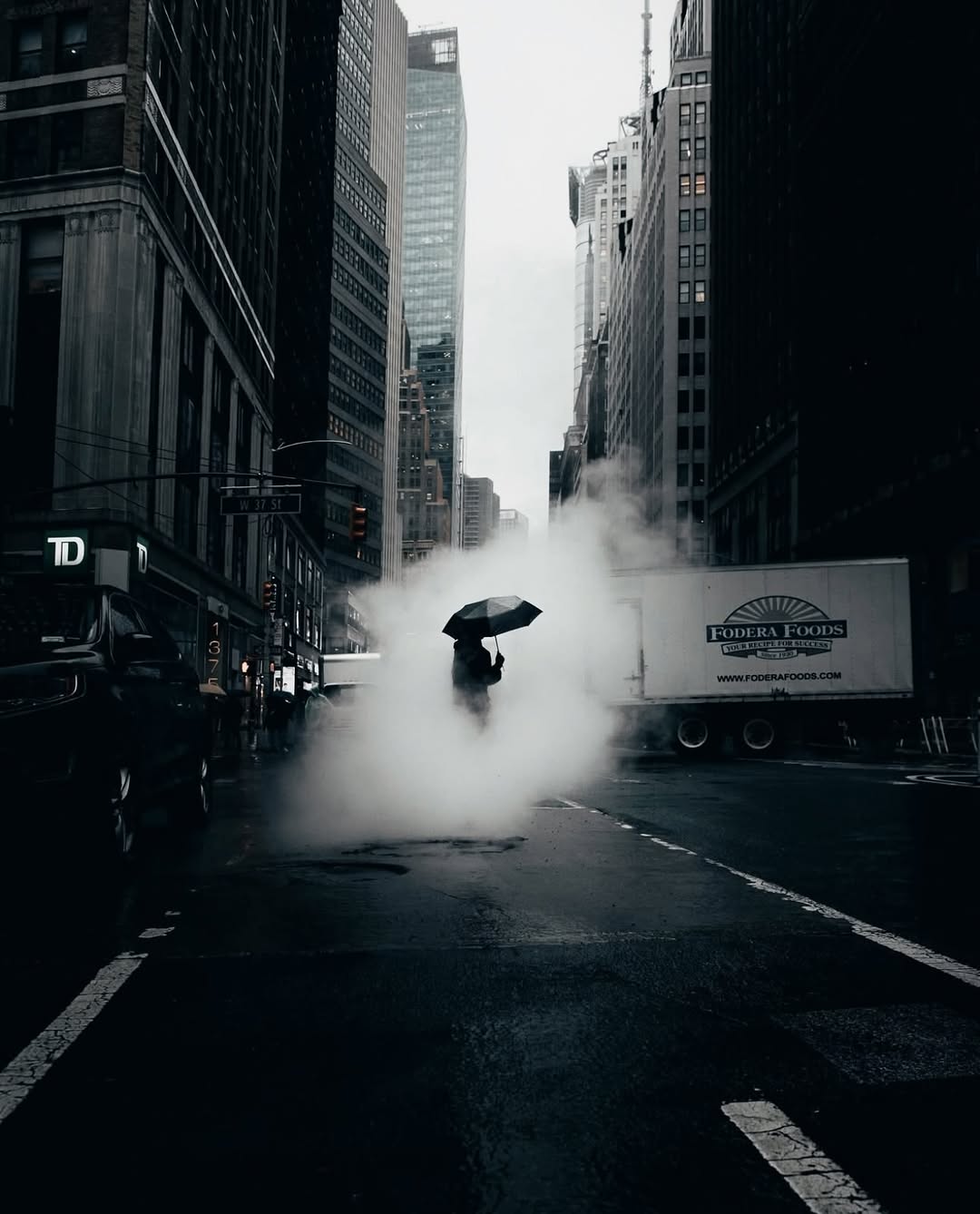
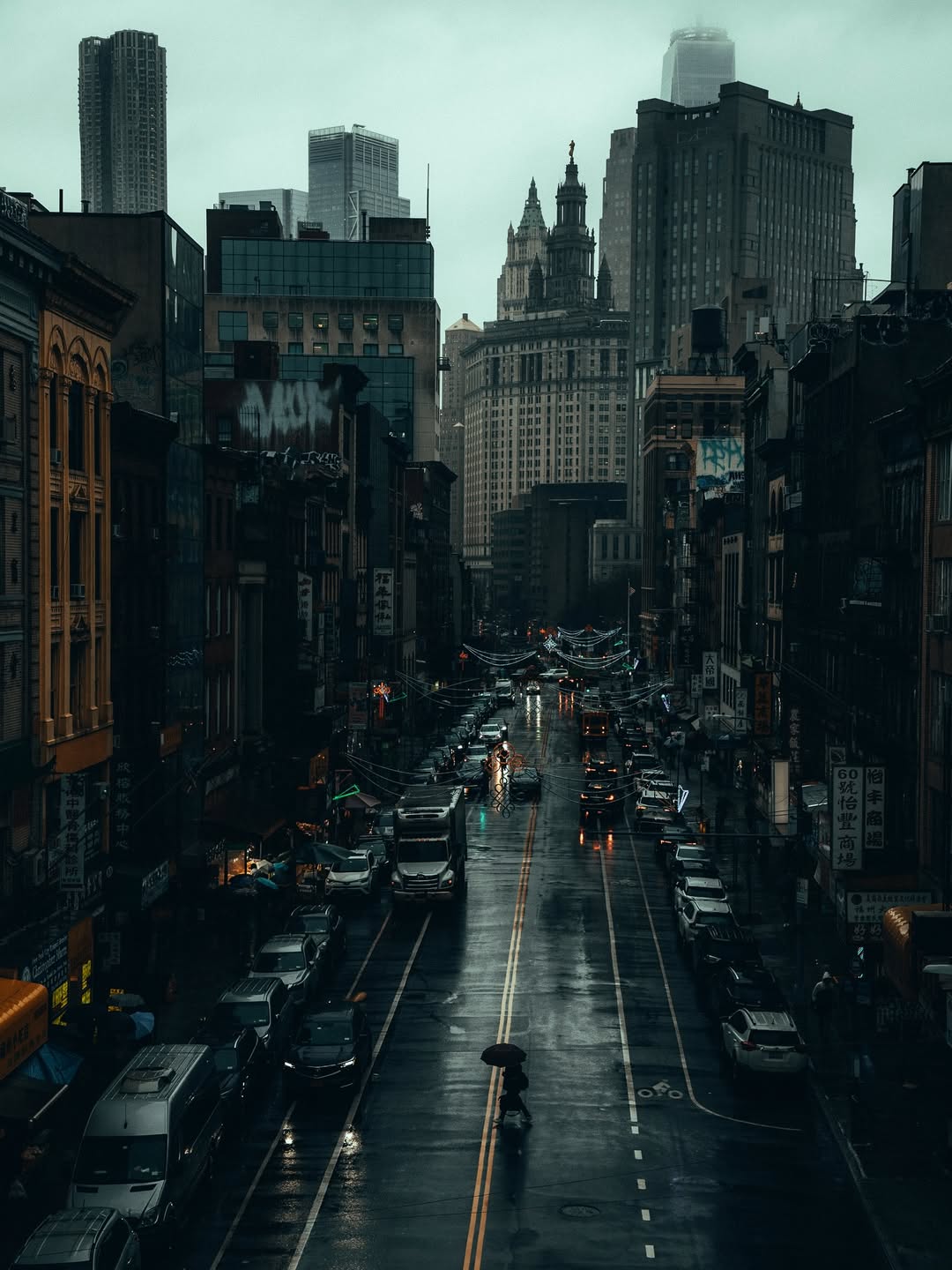
There is a version of New York that shouts. Billboards screens blaze. Taxis blare their horns. Skyscrapers gleam like trophies under the sun peaking over the people. And then there is the New York Tony Lopez listens for, one that whispers. It exists in the hush after snowfall, in the echo of footsteps on a wet sidewalk, in the quiet glow of a single streetlamp cutting through dark fog. This is the city he photographs - these are the darker moments he captures.
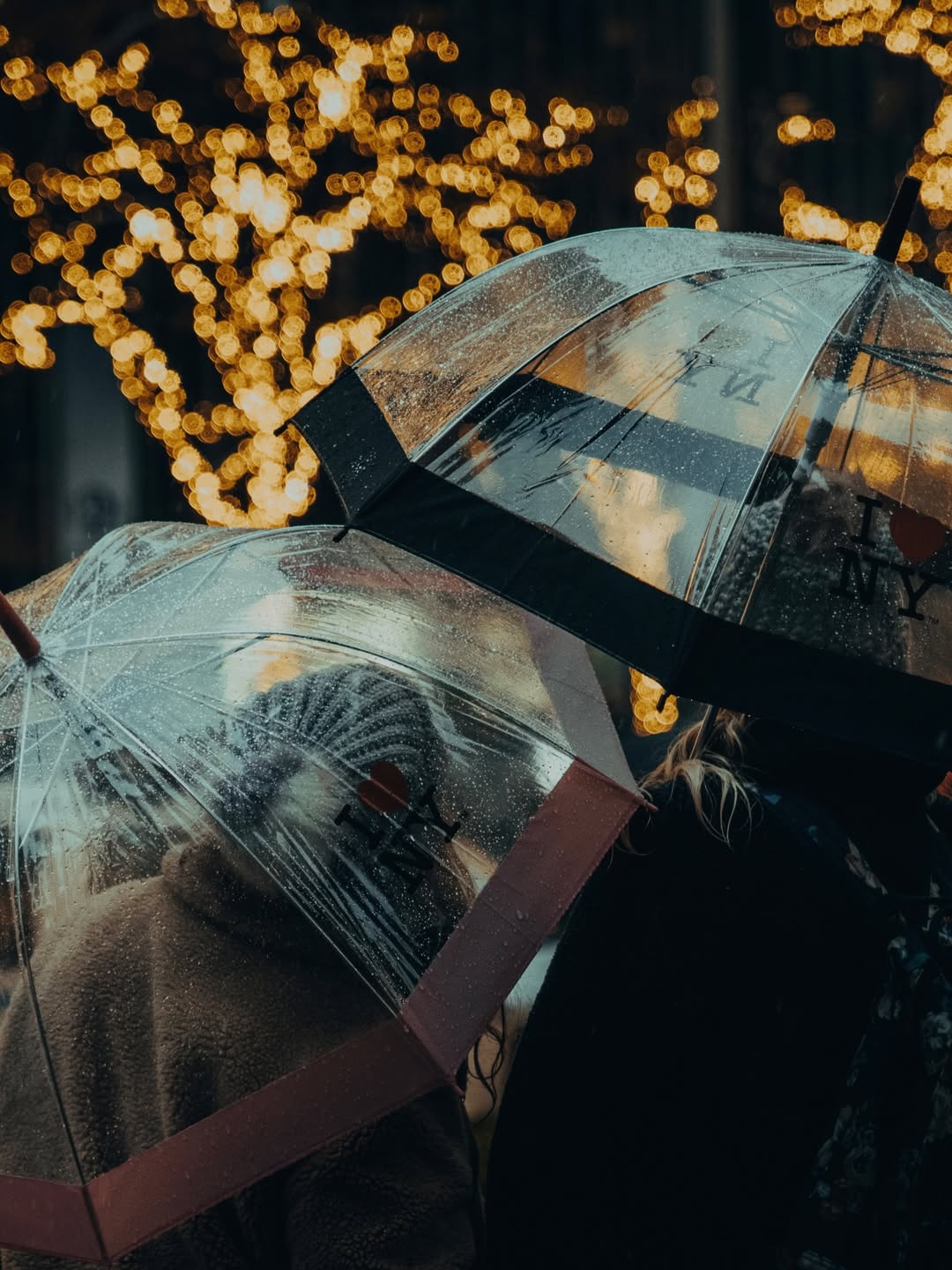
Drawing inspiration from Gotham City in Batman, Lopez’s images feel less like pictures and more like recollections. Each frame holds a kind of emotional residue, as if the moment itself was imprinted in time. His belief that life is a collection of fleeting, unpromised instants starts every decision he makes behind the lens. A storm is not an inconvenience, it is an invitation. A shadow one of us would typically ignore, captured and brought to light. Where others see absence, he finds presence.
That instinct is rooted in a life shaped by movement. From Guatemala to New York, and through places like Japan and London, Lopez carries a traveler’s sensitivity to detail. He photographs not just to remember where he’s been, but to share what it feels like to be there. His work becomes a quiet act of service: a way of offering the world to those who may never see it firsthand or not take the time to appreciate the stillness.
The pandemic years gave this approach a deeper gravity. In a time of isolation, loss, and uncertainty, photography became more than expression, it became survival. Lopez didn’t pick up a camera to chase a following or the almighty dollar; he picked it up to keep his mental space clean. That origin story lingers in his work, giving even his most cinematic cityscapes a human pulse. You can sense the solitude that taught him to notice. The silence that sharpened his eye. Darkness turns to art.
And yet, for all the global reach of his images, his most meaningful photograph remains intensely personal: an unshared, candid portrait of his mother before her illness. The one photo without a single edit, perfect as the moment it was taken in. He carries it with him like a talisman, a private reminder that behind every public success lies a history of quiet support and unseen sacrifice. It’s a powerful contrast, an artist whose work is viewed by many, anchored by a memory meant for one.
In a world where creativity is often measured in clicks and conversions, Lopez’s refusal to turn his art into a commodity feels almost defiant. He keeps his professional life away from the art, protecting photography as a space of joy rather than obligation. Even as he imagines a future gallery, a photo book, and a print shop that pairs images with short stories, his goal is not scale, it is depth. He wants viewers to linger, not scroll. To feel, not just consume.
What emerges from Lopez’s philosophy is a gentle challenge to the rest of us. To notice the art hidden in ordinary days. Take one extra glimpse into the shadows. To step outside when it’s raining instead of waiting for the sun. To recognize that authenticity and kindness, his parting values, are not just personal virtues, but creative acts in themselves.
Tony Lopez AKA Perception Shot does not photograph the city as it wants to be seen. He photographs it as it is, quiet, imperfect, fleeting, and full of meaning if you’re willing to look closely into the dark. And in doing so, he leaves us with a simple, lasting question: how many moments have we walked past without noticing the story they were trying to tell?