And the Future Beyond Mercedes-Benz
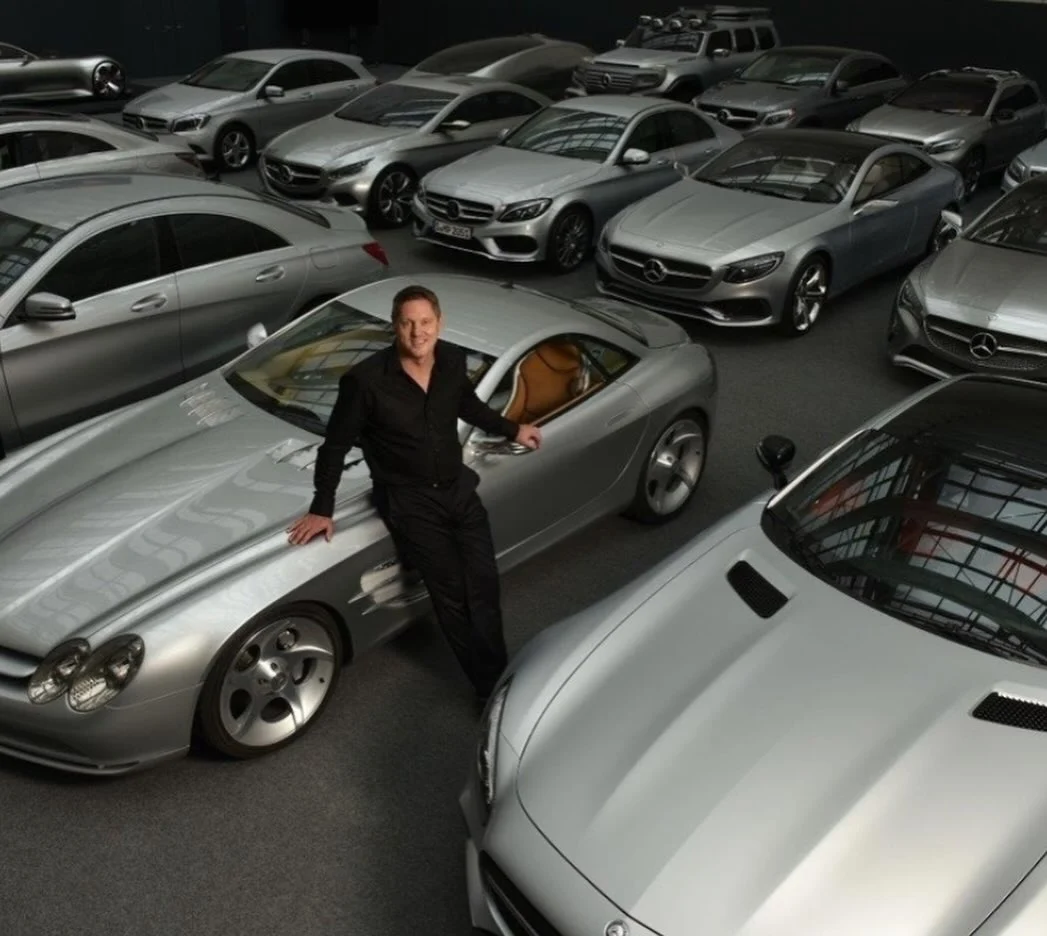
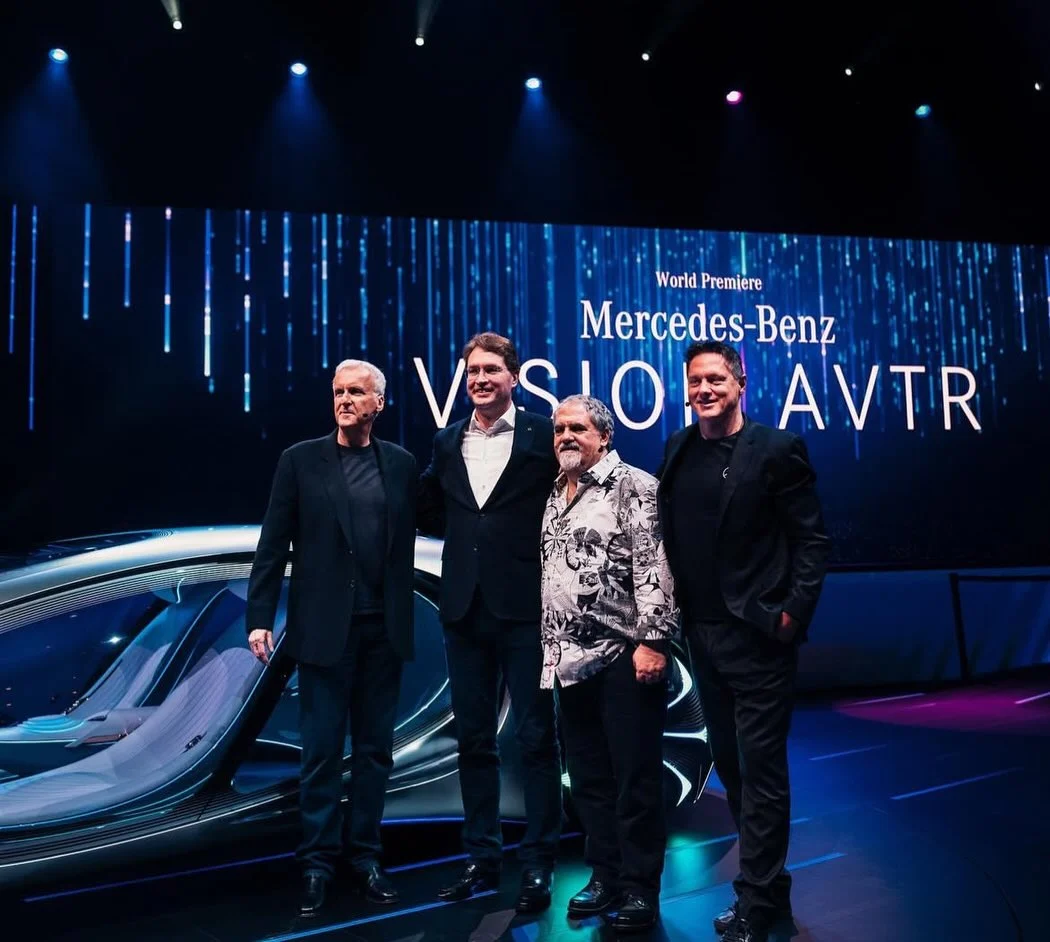
When Gorden Wagener speaks about leaving Mercedes-Benz after more than three decades, he does so without nostalgia, only clarity.
“It feels to me like my mission is accomplished with Mercedes. There is not much more I can do. I can do another car, but can I do it better than what I have done before. Probably not.”
For Wagener, this realization is not limiting. It is liberating. After shaping the design language of one of the most iconic luxury brands in the world, he is no longer chasing the next iteration. He is allowing space for something new to emerge.
Completion, Not Departure
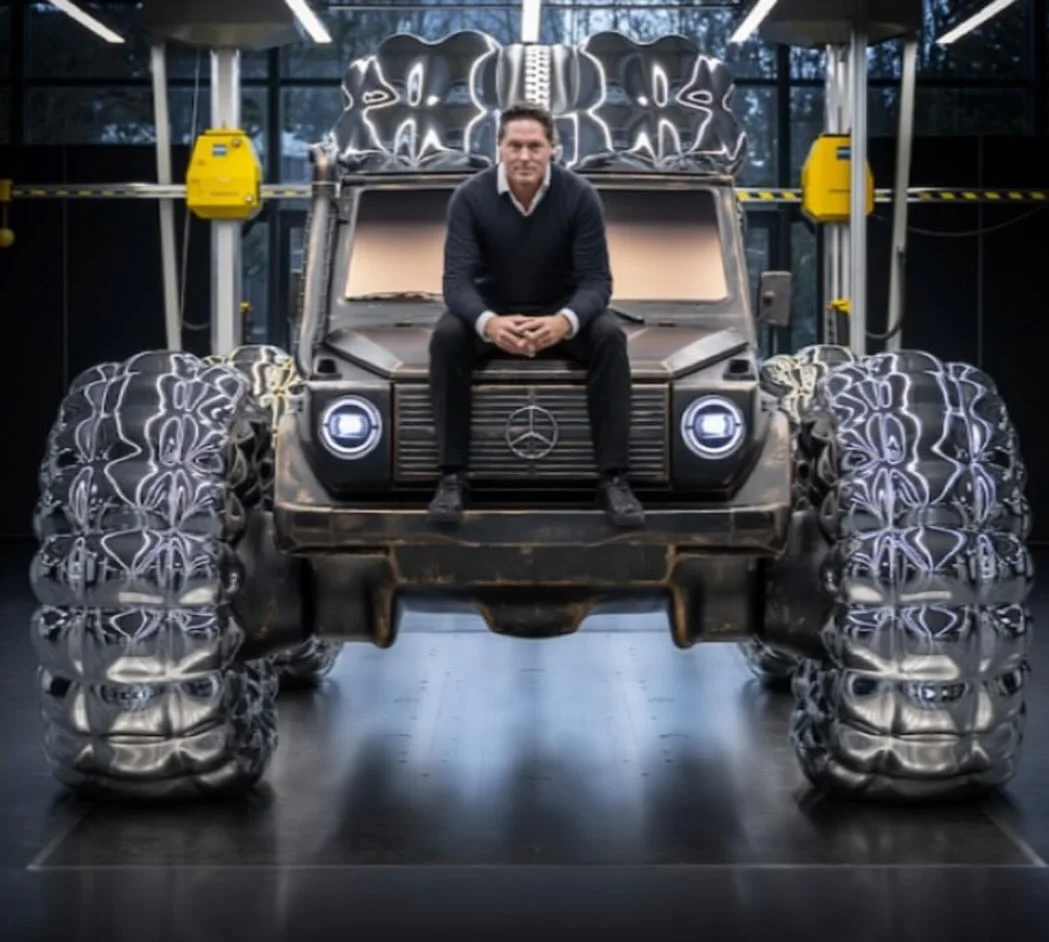
Wagener’s career was never confined to a single discipline. While he is most widely recognized for his work in automotive design, his influence extended far beyond the car itself. Architecture, fashion, product design, and even superyachts all became part of his creative orbit.
“I designed pretty much everything. Not only cars. We did fashion. We did products. I worked in architecture. We even went into yacht design.”
This breadth is what makes his transition feel less like a departure and more like a natural conclusion. When you have explored every dimension of a craft, the question is no longer what else can be done. It becomes what is worth doing next.
“It feels good. I was blessed to be able to do that during that time. I am very thankful.”
There is no urgency in his tone. Only gratitude.
Redefining Purpose in Stillness
For someone whose identity has been so closely tied to creation at scale, stepping away could feel disorienting. For Wagener, it has been grounding.
“I enjoy the real life. Enjoying family, enjoying Southern California, enjoying networking with people. In the moment I just try to relax a little bit.”
He speaks about his next chapter not as an absence of purpose, but as a return to presence. A shift away from external validation toward something more internal and enduring.
“The legacy you created in design does not really matter. This is just an opinion or how other people judge you. The only thing that matters is what my family thinks about me.”
It is a perspective that reframes success entirely. Not as recognition, but as alignment.
The Mind That Never Stops Designing
Even in stillness, the designer’s mind does not turn off. It evolves.
“I am a visual person. I think visually. When I look at something, I see different things. I see the tone, the material, the color, the detail.”
Creativity, as Wagener describes it, is not a skill that can be paused. It is a way of processing the world.
“When you train creativity, you wire your brain in a different way. It will always run in the background. You cannot shut it off.”
This constant awareness is what allowed him to move seamlessly across disciplines. Whether designing a vehicle or conceptualizing a building, the process remained the same. It was about observation, connection, and refinement.
“Everything comes together. You have to orchestrate it. You have to deeply dive into every aspect.”
Beauty as a Standard
For Wagener, a car has always been more than transportation. It is an emotional object, one that exists at the intersection of desire and identity.
“It is a beautiful object. You see something and you fall in love. You cannot explain that because it is not a rational process.”
This philosophy became the foundation of his design approach: a balance between heart and intellect. Between instinctive attraction and intentional branding.
“You always need to combine these two aspects. Heart and brain.”
A car must not only be beautiful, but recognizable. It must embody something larger than itself. This balance is what transforms an object into something meaningful and that resonates beyond function.
“Design is the biggest brand shaper. You put your character into it.”
Resisting the Rise of the Ordinary
In today’s design landscape, Wagener sees a growing challenge. Not a lack of innovation, but a lack of distinction.
“There is too much mainstream design.”
What excites him now is not perfection, but individuality. Objects that feel specific, that carry identity, and resist blending into the background.
“You have to strive for something extraordinary. Something that is not mainstream.”
This perspective extends into his view on artificial intelligence. While he acknowledges its rapid evolution, he remains focused on the human element behind it.
“Designers will not be replaced by AI. Designers who cannot operate AI will be replaced by designers who can.”
The tool may change, but the responsibility does not.
The Meaning of True Luxury
Wagener’s understanding of luxury is rooted in permanence. In contrast to a culture that prioritizes speed and replacement, he values what endures.
“It needs to have a specific style. Quality, craftsmanship, material.”
He draws a clear distinction between what looks expensive and what feels truly valuable. One is immediate. The other is lasting.
“When you buy a mechanical watch, you keep it. You can pass it on to your children and it will still be good.”
Luxury, in this sense, is not about status. It is about longevity. About objects that carry meaning over time.
A Legacy That Does Not Need Definition
When asked how he wants his work to be remembered, Wagener does not offer a definitive answer. He leaves that to others.
“I let others decide. I just remember it was a great time.”
It is a response that reflects a deeper confidence. The kind that does not need to control perception or narrative.
After decades spent shaping one of the most influential design languages in the world, Gorden Wagener is no longer focused on legacy as an outcome.
He is focused on experience as it happens.
As for what comes next, he offers only a hint.
“There are distinctive ideas. I will always stay creative and always want to create. The next chapter is already written, but give me some time to enjoy and relax before moving on to the next big thing.”
Welcome to the spotlight, Gorden.